
Why You Should Inspect Your Home’s Exterior Before Winter: A Fall Checklist for Homeowners
As the leaves begin to fall and temperatures start to drop, homeowners in Hamilton and the surrounding areas should prepare their properties for the challenges of winter. While cleaning up the garden and putting away patio furniture are common fall chores, one important task should never be overlooked: inspecting your home's exterior before winter arrives.
Ontario winters can bring freezing temperatures, snow, ice, strong winds and repeated freeze-thaw cycles. These conditions can take a toll on your home's siding, roofline, soffits, fascia, eavestroughs and other exterior features. A fall inspection can help identify minor problems before they become expensive repairs.
At MB Exteriors in Hamilton, homeowners can turn to exterior professionals for help maintaining and protecting their homes throughout the changing seasons.
Why Is a Fall Exterior Home Inspection Important?
Your home's exterior is its first line of defence against the elements. Damaged siding, loose trim or gaps around exterior openings can allow moisture and cold air to enter places where they do not belong.
When water gets behind siding or into small cracks, freezing temperatures can make the problem worse. Water expands when it freezes, potentially enlarging cracks and contributing to further deterioration.
A thorough fall exterior inspection helps homeowners identify areas that may need attention before snow and ice make repairs more difficult. It can also help improve energy efficiency, protect the home's structure and maintain curb appeal.
For homeowners in Hamilton, Burlington, Waterdown and surrounding communities, taking time to inspect the exterior in autumn is a practical way to prepare for the long Canadian winter.
1. Inspect Your Home's Siding for Damage
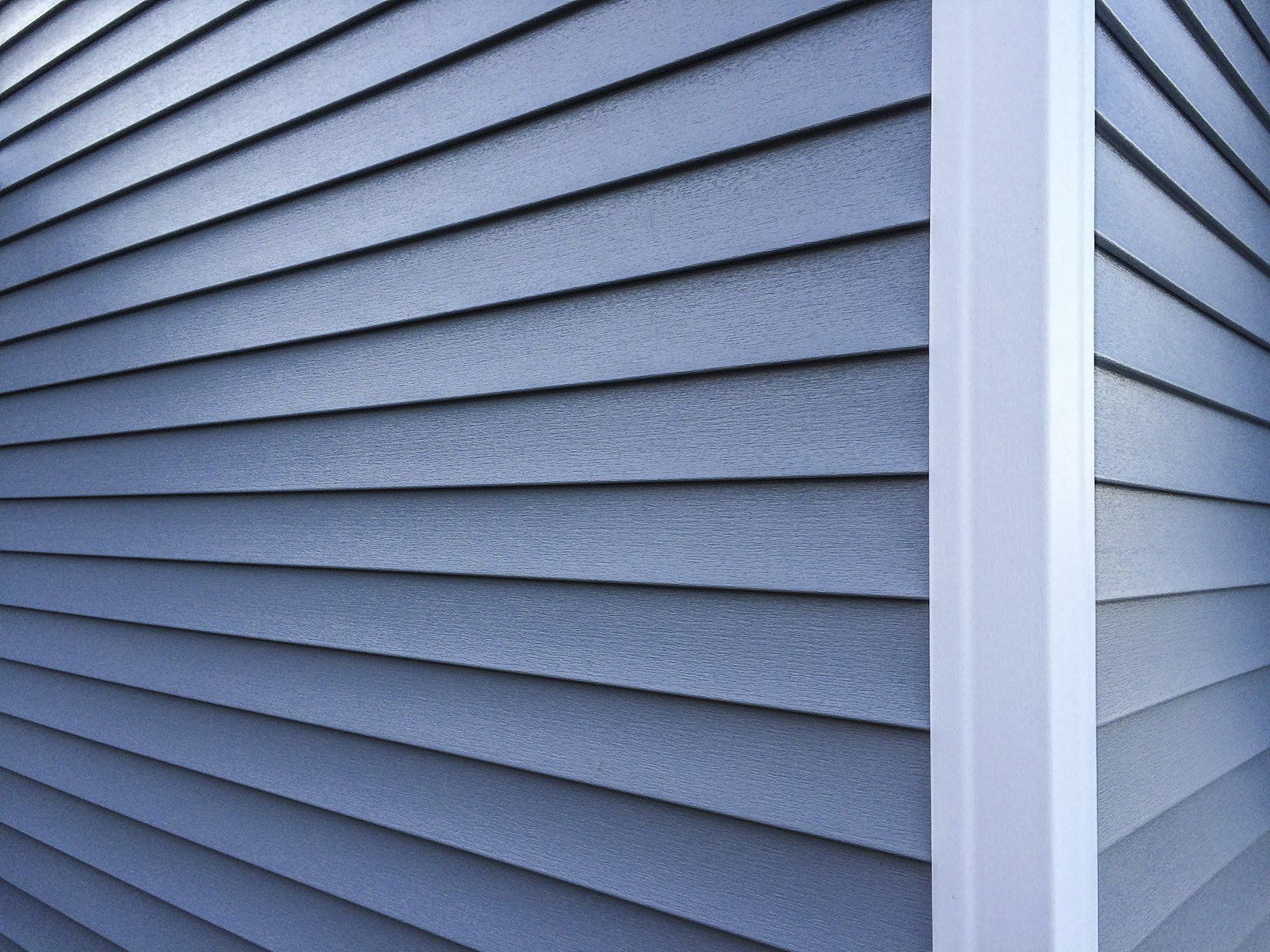
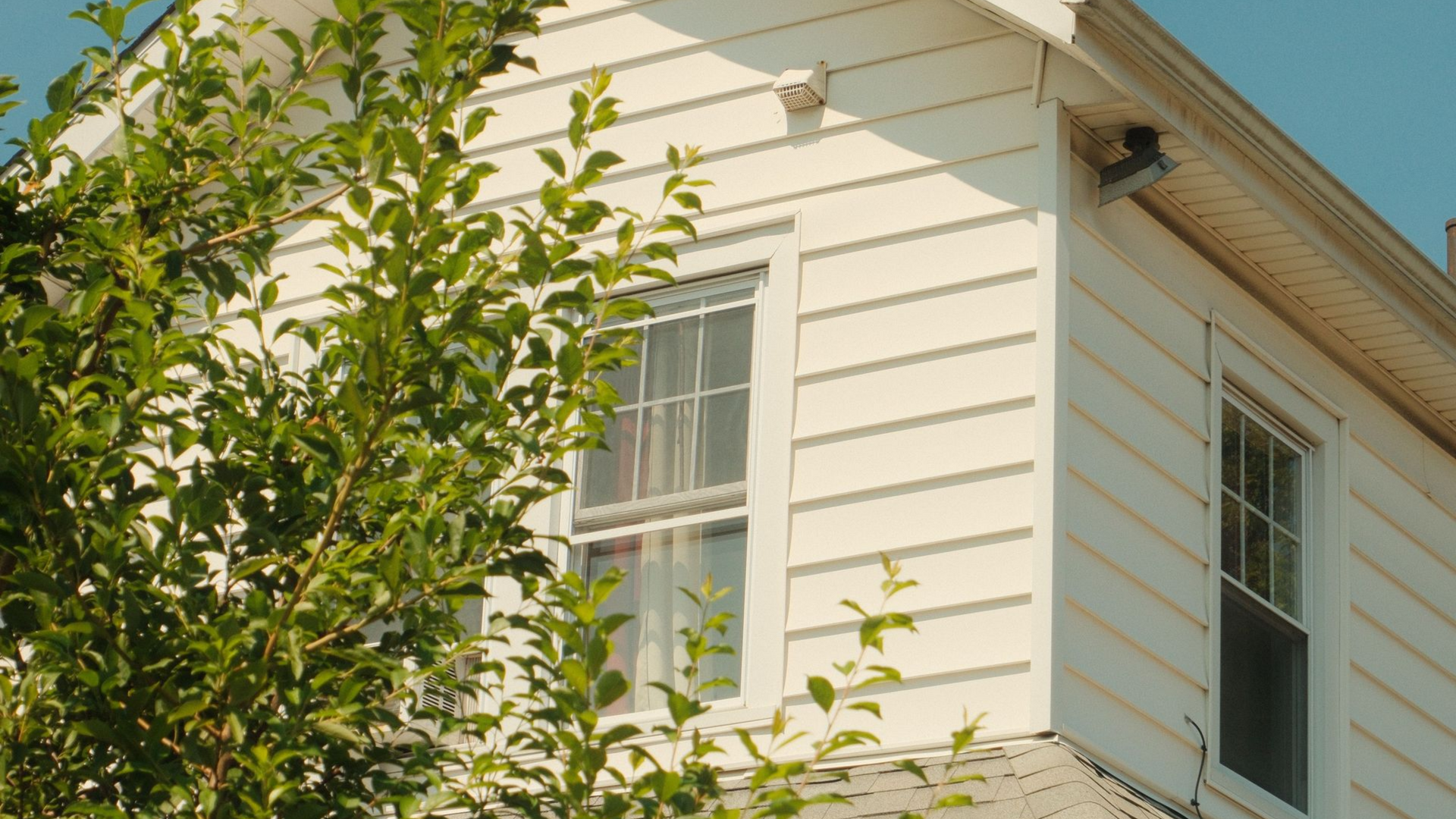
Your home's siding plays an essential role in protecting the exterior walls from wind, rain and snow. Before winter, walk around your property and look for signs of damage.
Check for:
- Cracked, warped or loose vinyl siding panels.
- Missing or damaged sections of siding.
- Gaps between siding panels or around corners.
- Areas where moisture may have entered behind the siding.
- Fading, deterioration or other visible signs of wear.
Even a small area of damaged siding can become a bigger concern when exposed to winter weather. Loose panels may be affected by strong winds, while gaps can allow moisture to penetrate the exterior wall system.
If your home's siding needs repair or replacement, MB Exteriors (www.mbexteriors.ca) can help you explore exterior solutions that suit your home and its needs.
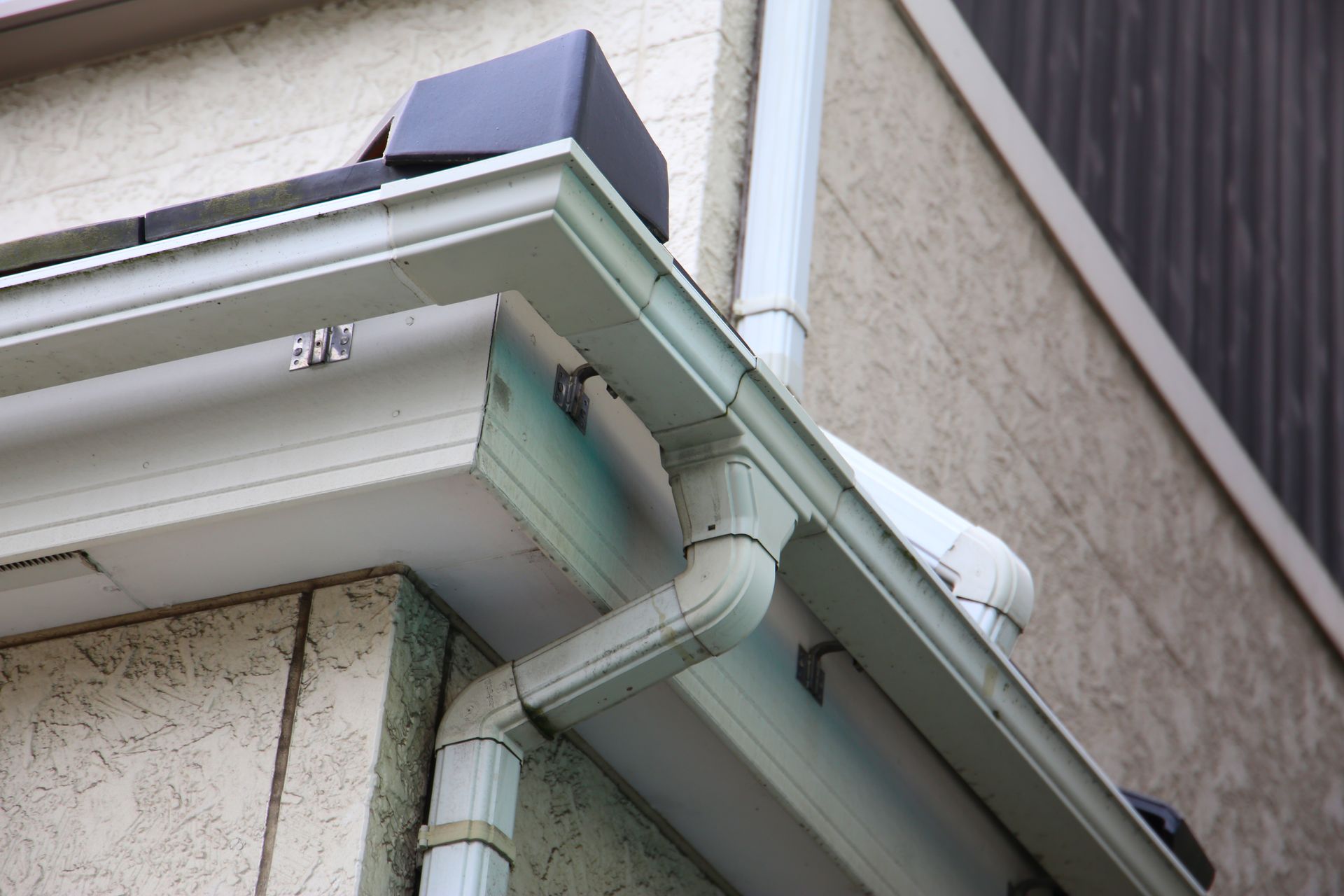
2. Check Soffits, Fascia and Eavestroughs
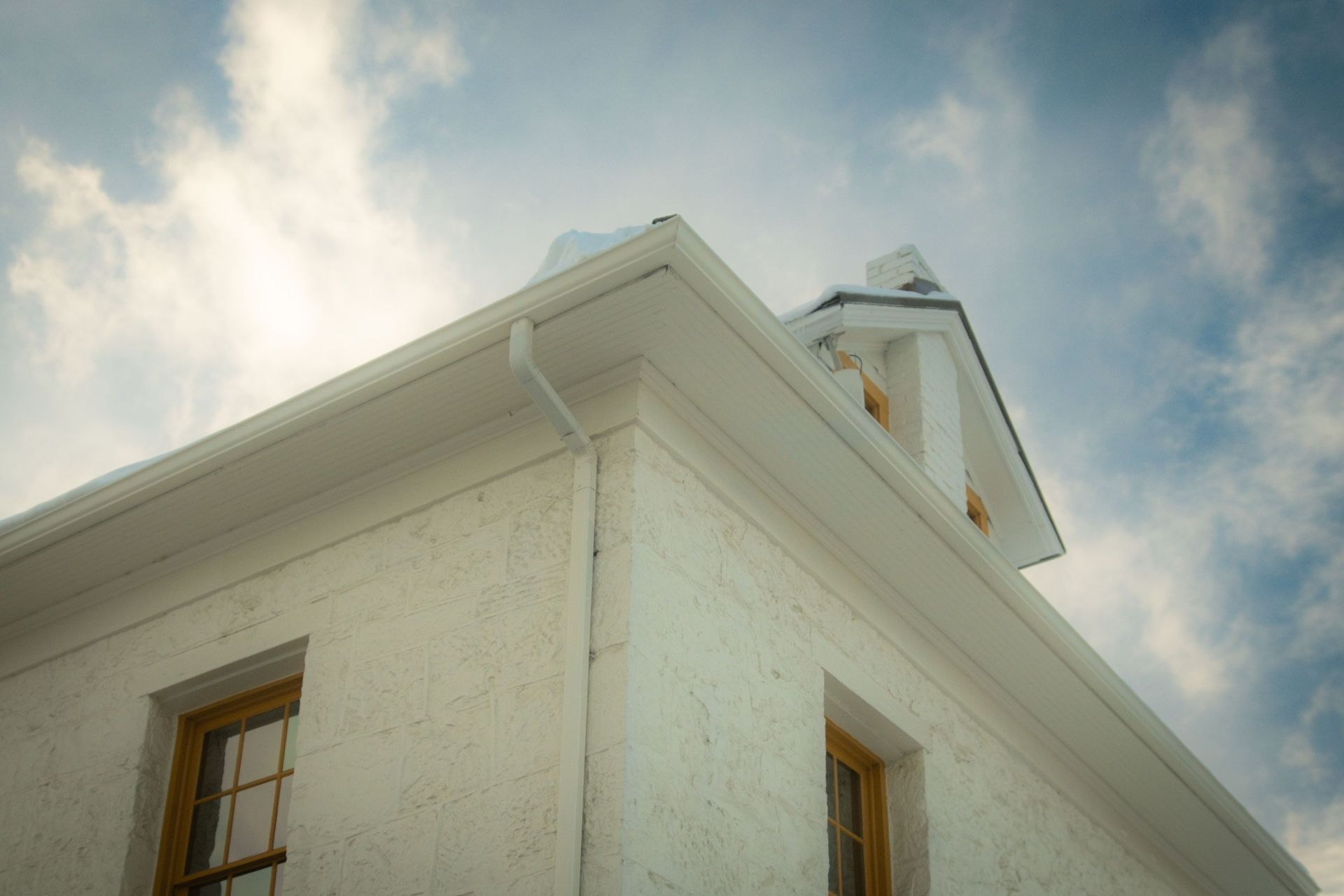
Soffits and fascia are important components of your home's exterior. They help protect the roofline, support proper ventilation where designed and provide a finished appearance.
During your fall inspection, look for loose sections, visible damage, peeling finishes or gaps where components meet. Damaged soffits and fascia may leave vulnerable areas exposed to the elements.
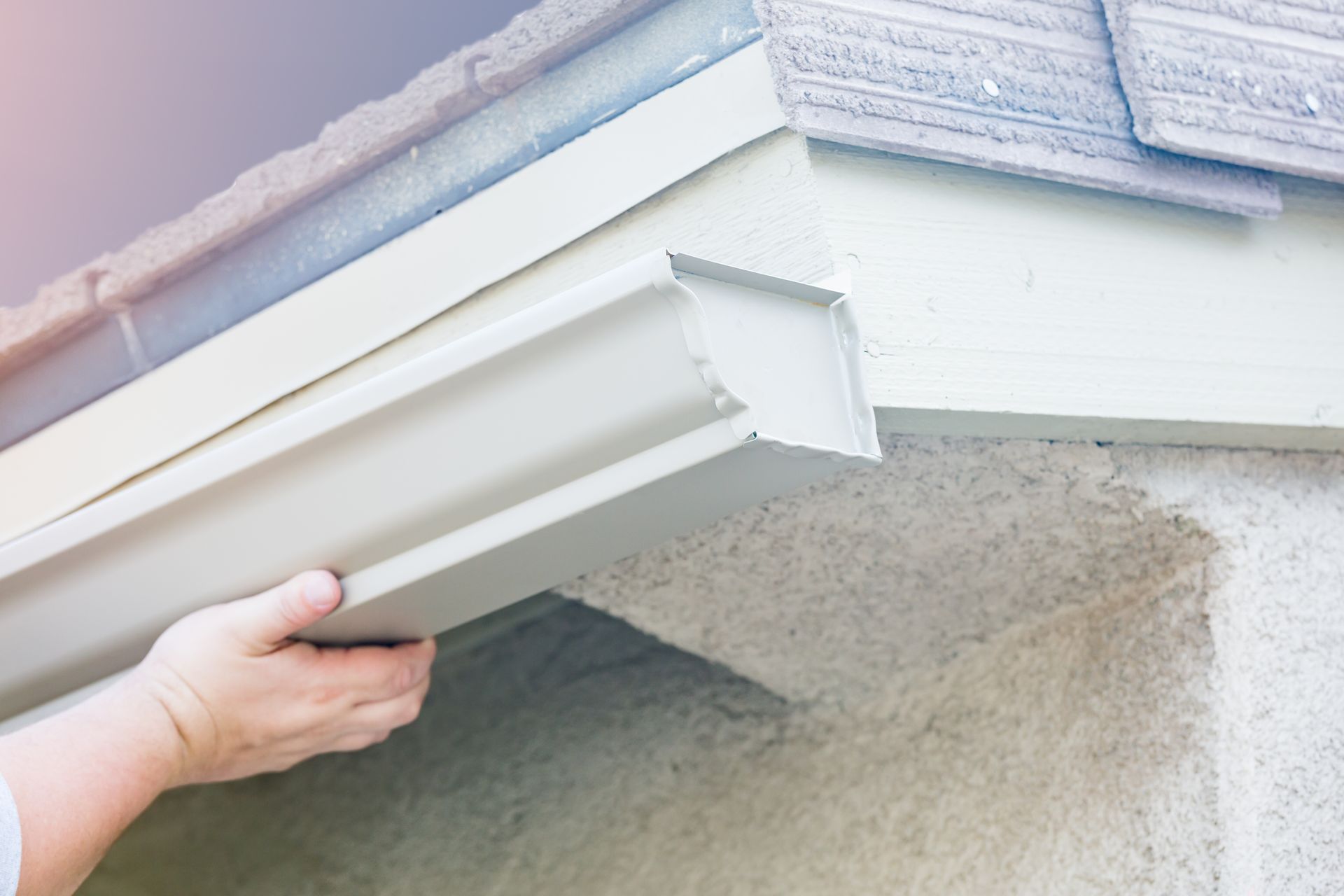
Eavestroughs should also be checked and cleaned before winter. Leaves, twigs and other debris can prevent water from draining properly. When water cannot flow freely, it may contribute to overflow, ice buildup and unwanted moisture around your home.
Make sure downspouts direct water away from the foundation. If you notice loose gutters, damaged connections or persistent drainage issues, arrange for the appropriate repairs before winter weather sets in.
For safety, avoid climbing onto the roof or using a ladder in unsafe conditions. A professional inspection is a sensible option when exterior components are difficult to reach.
3. Examine Windows, Doors and Exterior Seals
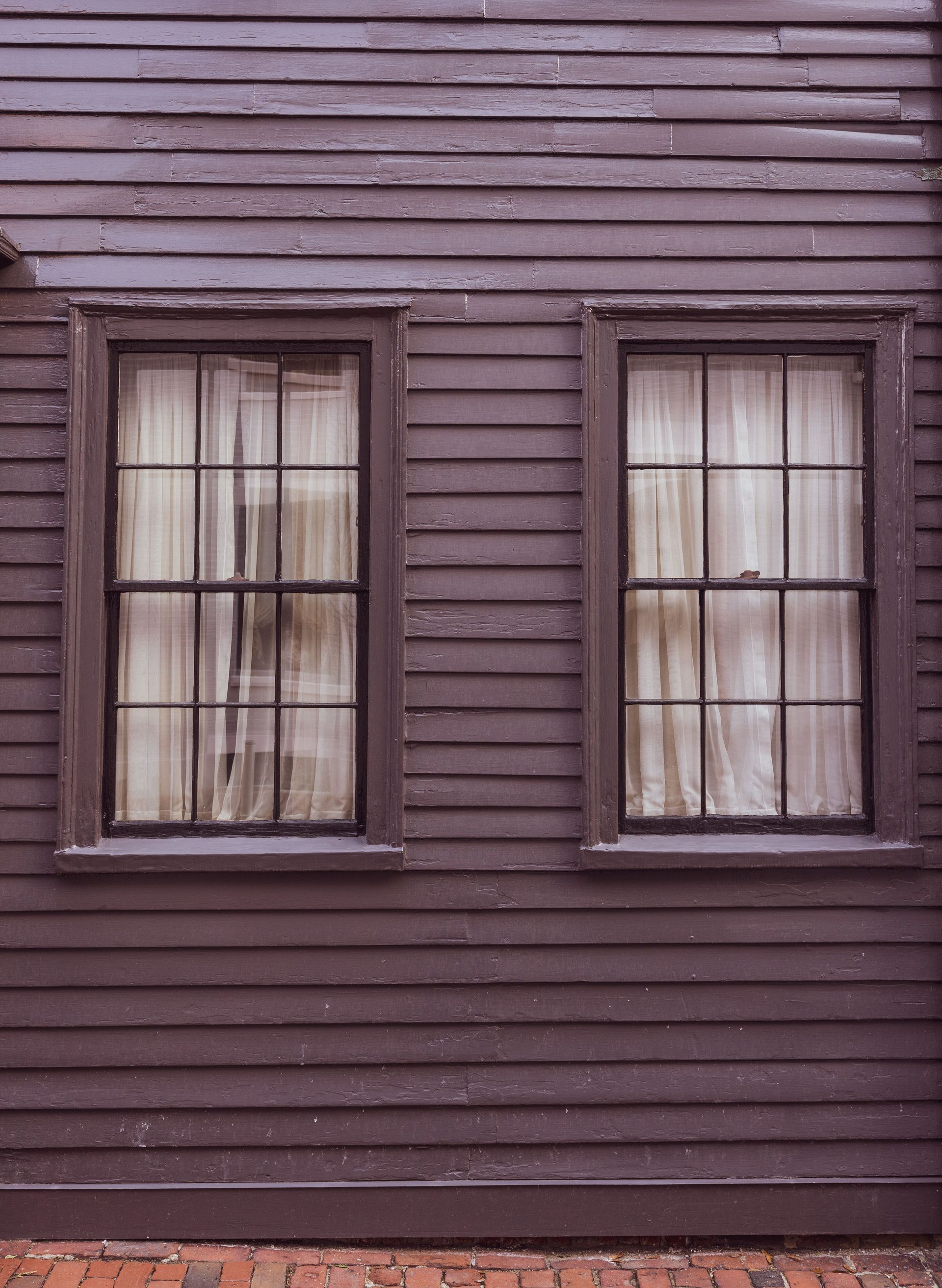
Cold air entering around windows and doors can make your home less comfortable and increase heating costs. During the fall, inspect the caulking and weatherstripping around exterior openings.
Look for cracked or missing caulking, deteriorated seals, visible gaps and damaged trim. Check for signs of moisture around window frames and doors as well.
Addressing these issues before temperatures fall can help reduce drafts and prevent rain or melting snow from entering vulnerable areas. If you notice persistent condensation, water stains or signs of rot, investigate the underlying cause rather than simply covering the problem.
4. Look for Signs of Roofline and Flashing Problems
Although a full roof inspection may require a roofing professional, homeowners can look for visible warning signs from the ground.
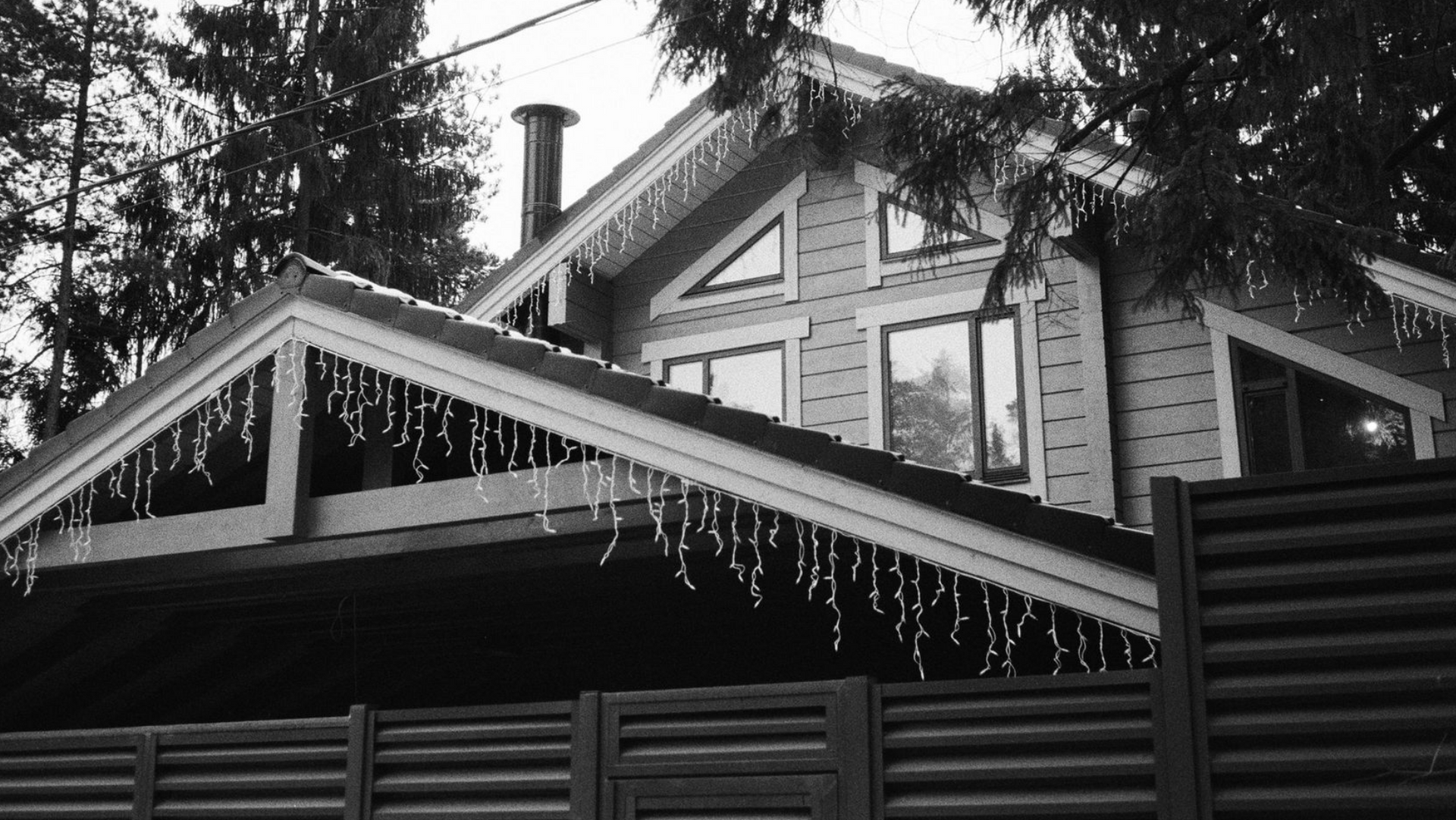
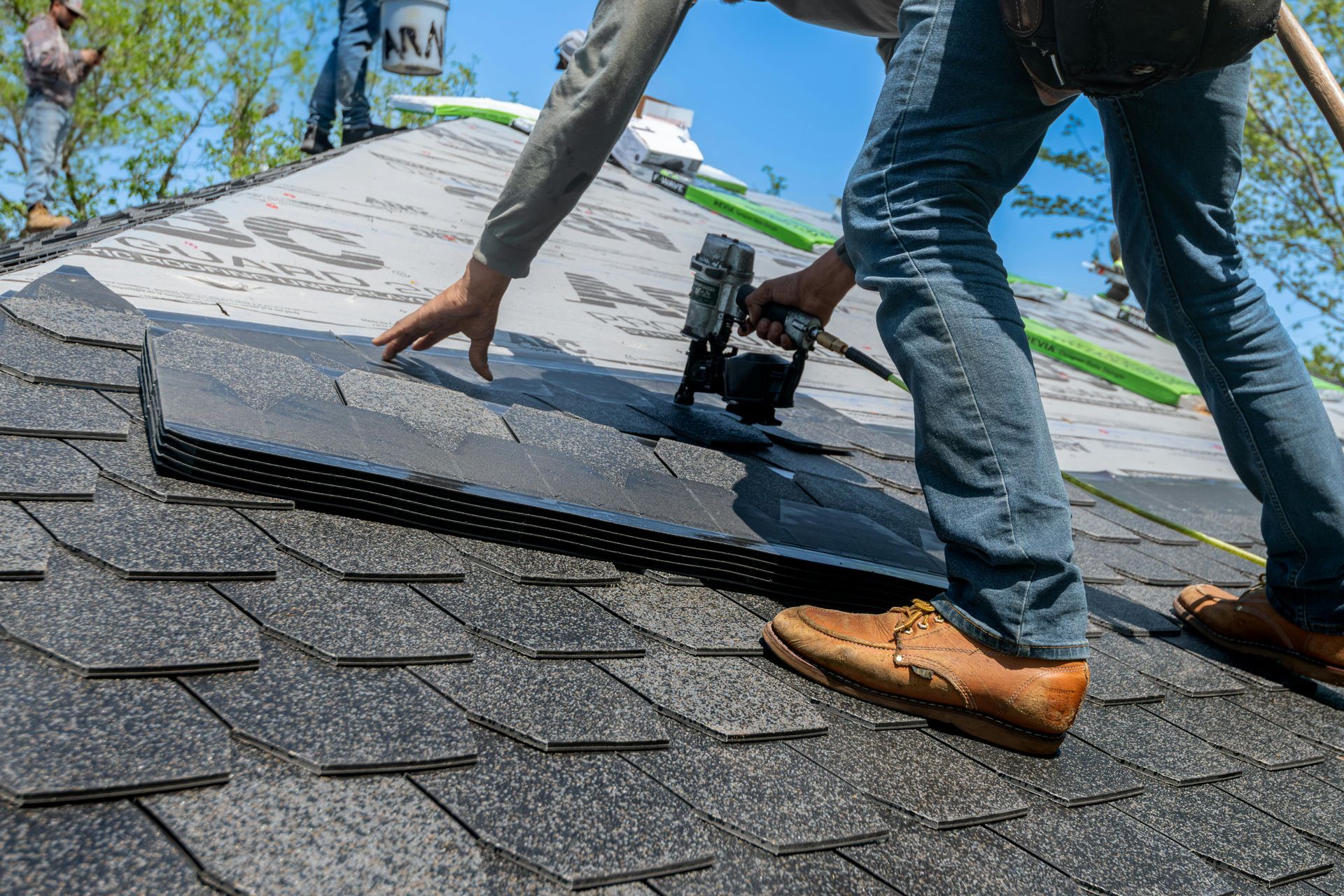
Missing or damaged shingles, loose-looking flashing, sagging eavestroughs and damaged trim around roof edges may indicate problems that need attention.
Flashing helps direct water away from vulnerable joints, including areas around chimneys, vents and other roof penetrations. If flashing is damaged or improperly sealed, water may enter the home and cause damage.
Never climb onto a roof to investigate a suspected problem yourself. Contact a qualified roofing professional if you notice anything concerning.
5. Check Exterior Trim and Other Vulnerable Areas
Exterior trim, corner boards and the areas where different building materials meet can be especially vulnerable to moisture.
Inspect these areas for cracks, loose components, damaged finishes and signs of deterioration. Pay particular attention to places where water tends to collect or where previous repairs have been made.
Also check exterior vents and other openings to ensure their covers are intact and that there are no obvious gaps around them. Any repairs should preserve the proper ventilation and drainage functions of the home's exterior system.
6. Decide Whether Your Home Needs Exterior Repairs or Replacement
Not every exterior issue requires a major renovation. Sometimes a small repair is enough to prepare your home for winter. In other cases, widespread deterioration or recurring problems may indicate that replacement is worth considering.
If your siding is repeatedly coming loose, has extensive cracking or shows signs of moisture damage, it may be time to discuss your options with an exterior contractor.
MB Exteriors in Hamilton can help homeowners assess their exterior needs and consider suitable solutions. Taking action in the fall may give you more time to plan repairs rather than dealing with an unexpected problem during a winter storm.
Prepare Your Hamilton Home for Winter with MB Exteriors and MB Construction
Fall is the ideal time to give your home's exterior the attention it deserves. From inspecting vinyl siding and checking soffits and fascia to identifying gaps around windows and doors, a little preventative maintenance can help protect your investment.
Hamilton-area homeowners should not wait until freezing temperatures, snow and ice expose existing weaknesses. Identifying potential problems early can help prevent further damage, improve comfort and keep your home looking its best.
If you have noticed damaged siding, deteriorating exterior components or other concerns around your property, contact MB Exteriors at www.mbexteriors.ca to discuss your home's exterior needs.
Get your home ready for winter today! A fall exterior inspection is a smart first step toward protecting your Hamilton-area home through the cold months ahead.