
Inspecting Eavestroughs for Winter Damage
Winter is tough on your home. Snow piles up on the roof, ice dams form at the edges, and fluctuating temperatures cause materials to expand and contract. Your eavestroughs—the unsung heroes of your home’s drainage system—often bear the brunt of this seasonal assault. As the snow melts and spring approaches, it is critical to check your gutters for winter-inflicted wounds.
Ignoring the condition of your eavestroughs after a long winter isn't just a cosmetic oversight; it’s a gamble with your home's structural integrity. A compromised drainage system can lead to flooded basements, damaged siding, and even foundation issues. This guide will walk you through how to inspect your eavestroughs for winter damage and why addressing issues early is the smartest move you can make this season.
Why Winter Wreaks Havoc on Gutters
Before you climb the ladder, it helps to understand what you are looking for. Winter creates specific types of stress on your drainage system.
Ice Dams and Weight Stress
When heat escapes from your attic, it melts the snow on your roof. This water runs down to the colder eaves and refreezes, forming ice dams. These dams block water from draining properly, forcing it under shingles or over the side of the gutter. But the bigger issue is weight. Ice is heavy. The accumulation of ice and heavy, wet snow puts immense strain on the brackets and hangers holding your eavestroughs in place.
Freeze-Thaw Cycles
Water expands when it freezes. If water was left sitting in your gutters or downspouts when the temperature dropped, that expansion could have warped the metal or cracked vinyl sections. This cycle repeats throughout the winter, slowly weakening seams and joints until they eventually fail.
How to Conduct a Thorough Eavestrough Inspection
Once the weather clears up enough to work outside safely, you should perform a visual and physical inspection. Here is a step-by-step approach to spotting trouble.
1. Safety First: The Ground-Level Check
You don't always need a ladder to spot major problems. Start by walking around the perimeter of your house. Look up at the eavestrough line. Does it look straight?
- Sagging: If sections dip or bow, the hangers have likely loosened or broken under the weight of snow.
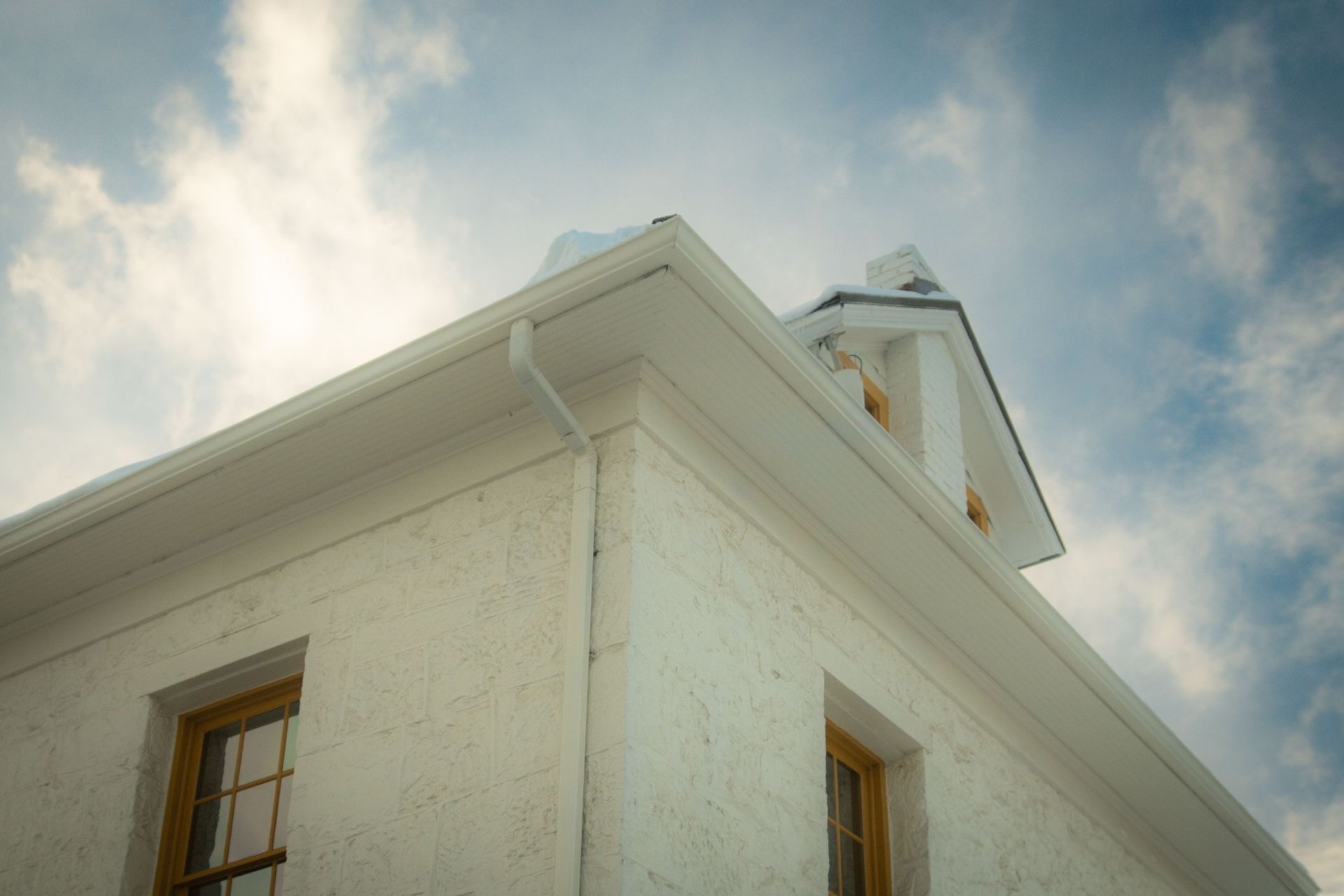
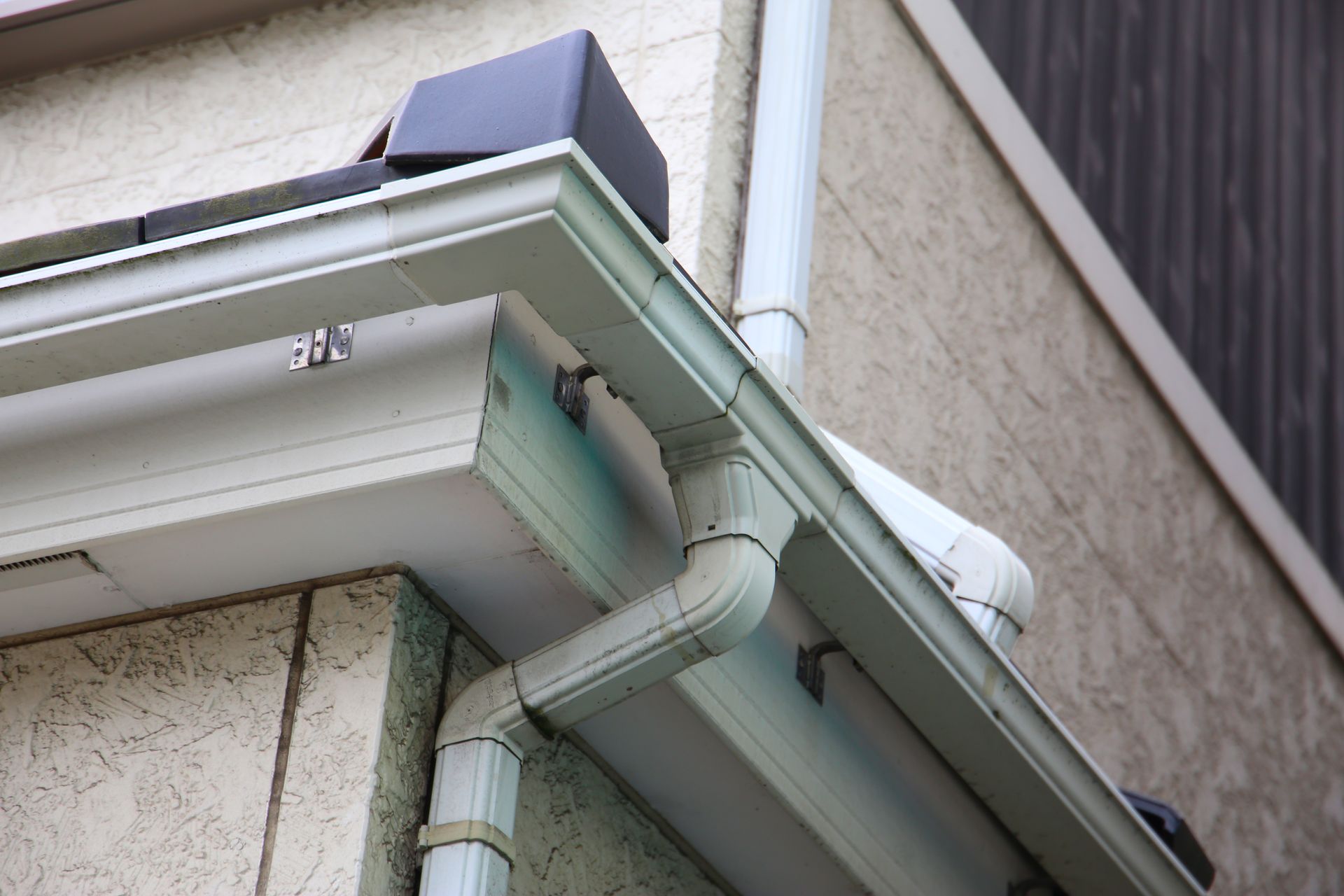
- Separation: Look for gaps between the eavestrough and the fascia board (the board the gutter attaches to). If you can see daylight or the sky between the gutter and the house, water will run down your siding instead of into the drain.
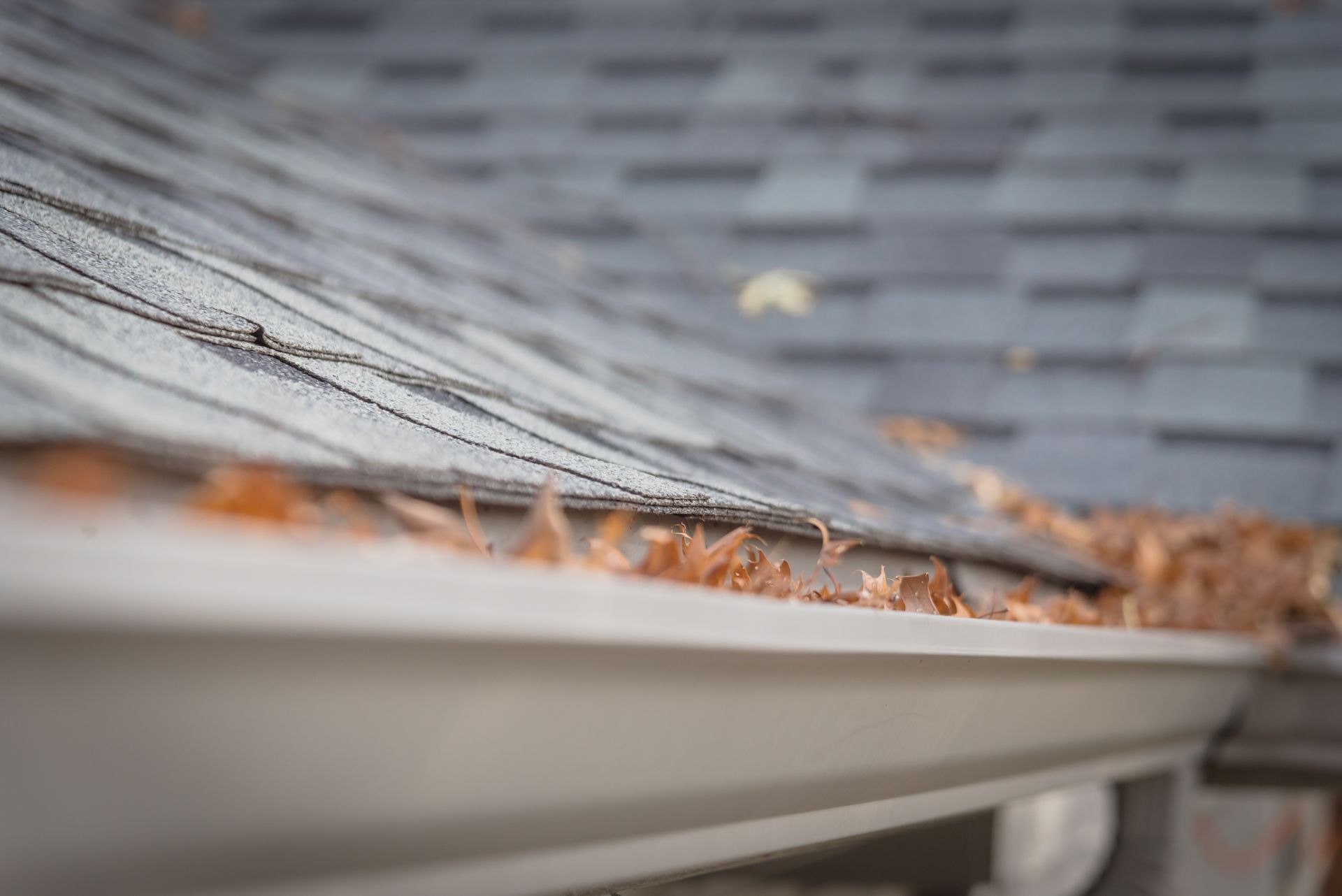
- Debris: Can you see twigs or leaves sticking out over the top? This indicates a clog that needs immediate clearing.
2. Check for Water Damage on Siding and Foundations
Your house often tells you where the gutter is failing. Scan your exterior walls for:
- Staining: Rust-colored or dirty streaks running down the siding usually mean the gutter above is overflowing or leaking at a seam.
- Peeling Paint: Excess moisture from splashing gutters can cause exterior paint to bubble or peel.
- Erosion: Look at the ground directly below the eaves. If you see a trench line or washed-out soil, your gutters are spilling over rather than directing water to the downspouts.
3. The Ladder Inspection
If you are comfortable using a ladder, inspect the inside of the system. Ensure your ladder is on stable, level ground. Never lean a ladder against the eavestrough itself if it looks damaged, as it could collapse. Use a standoff stabilizer if possible.
Once you are up there, look for:
- Standing Water: If it hasn't rained in a few days but there is water sitting in the trough, the pitch is wrong, or there is a blockage.
- Rust and Corrosion: On steel gutters, look for orange spots. On aluminum, look for pitting. Small rust spots can turn into holes quickly.
- Loose Fasteners: Check the spikes or hangers. If the spikes are backing out of the wood, they need to be hammered back in or replaced with screw-in hangers for better hold.
- Granule Buildup: Winter runoff often carries granules from asphalt shingles into the gutter. A thick layer of this grit can weigh down the trough and block water flow.
4. Downspout Diagnosis
The downspout is the exit strategy for all that water. Tap on the side of the downspout. A dull thud instead of a hollow ring suggests it is packed with ice or debris. Check the elbow joints specifically, as debris tends to snag there. Ensure the bottom extension directs water at least 4-6 feet away from your home’s foundation.
The Cost of Ignoring Winter Damage
It is tempting to put off gutter maintenance. It’s a dirty job, and the damage isn’t always obvious from the driveway. However, procrastination is expensive.
Basement Flooding
When eavestroughs fail, water pools around the foundation. Over time, this hydrostatic pressure pushes water through cracks in your foundation walls and into your basement. The cost of remediating a flooded basement far outweighs the cost of a gutter repair.
Landscape Destruction
You spend money and time making your flower beds and landscaping look good. An overflowing gutter acts like a waterfall, crushing delicate plants and washing away expensive mulch and topsoil.
Facade Deterioration
Water running down your siding can rot wood fascia, stain brick, and promote mold growth on vinyl. Replacing rotted structural wood is a significant repair project that is easily preventable with working gutters.
When to Call a Professional
While cleaning leaves is a DIY task for many, repairing winter damage often requires professional tools and expertise. Re-pitching a gutter so it drains correctly, replacing damaged sections of seamless aluminum, or installing new hangers requires specific skills.
If you notice significant sagging, detached downspouts, or signs of water intrusion in your home, it is time to call in the experts. Professional inspectors can spot subtle signs of wear that homeowners might miss and can recommend the right fix—whether it’s a simple repair or a full replacement.
Protect Your Home with MB Exteriors
Don't let winter damage linger into the rainy spring season. Ensuring your eavestroughs are in peak condition is one of the best ways to protect your investment.
If you suspect your system took a beating this winter, or if you simply want peace of mind, let us help. At MB Exteriors, we specialize in comprehensive eavestrough inspections and repairs. We will identify the weak points and fix them before the spring rains arrive.